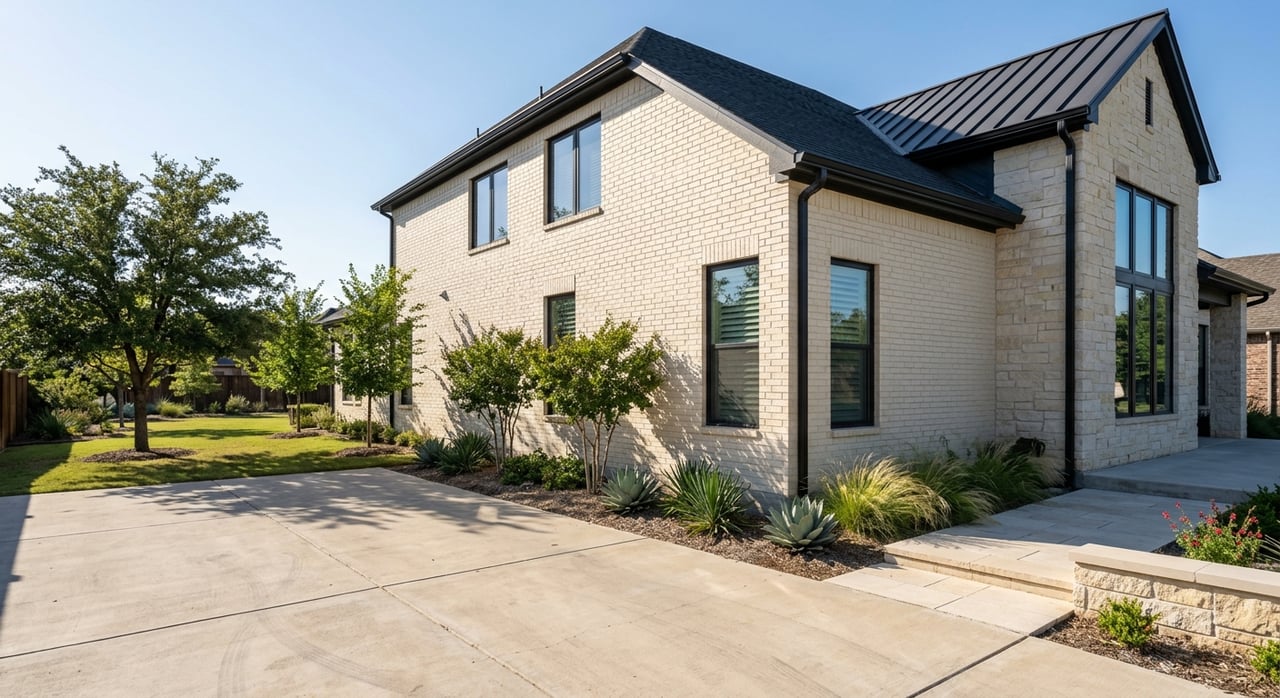
If you are thinking about building in Anaqua Springs, the lot you choose can shape almost everything that comes next. In a Hill Country community with wooded homesites, bluff views, creek frontage, and design rules, custom-home planning is about much more than picking finishes. This guide will help you think through lot selection, design approvals, budgeting, and timeline planning so you can move forward with more clarity and fewer surprises. Let’s dive in.
Start With the Lot
In Anaqua Springs Ranch, homesites are part of the design process from day one. The community spans nearly 920 acres in Bexar County and includes guarded-and-gated access, a 5-acre park, nature trails, underground utilities, and homesites that average 1 to 3 acres, according to the community overview.
Because the neighborhood is built around limestone bluffs, wooded valleys, and Leon Creek springs and waterfalls, your lot affects more than your address. It can influence privacy, view corridors, driveway layout, how much site work you may need, and where your indoor and outdoor living spaces make the most sense.
Compare Privacy, Views, and Buildability
Anaqua Springs inventory can include greenbelt, bluff-view, county-view, wooded, and gentle-slope lots. That means the "best" lot usually depends on your priorities rather than one universal answer.
If privacy is at the top of your list, a wooded or greenbelt lot may give you more natural screening. If long-range scenery matters most, a bluff-view or county-view homesite may deserve a closer look. If you want an easier building envelope, a level or gentle-slope lot may simplify placement for the home, driveway, and outdoor areas.
A current homesite example shows a 1.018-acre wooded, undeveloped greenbelt lot with private-street frontage, level to gentle-slope topography, and bluff views, with septic required. That kind of lot can work well for buyers who want a balance of buildability and natural setting while still planning carefully for utilities and site layout.
Think Beyond Acreage
Acreage matters, but it is not the whole story. Two lots with similar size can feel very different depending on topography, setbacks, tree cover, creek frontage, and how the house will sit on the site.
For example, the available homesites information notes that Unit 8 lots are 1+ acres, offer spring-fed Leon Creek frontage, include ample setback lines, and have no time limit to build. Those features can create flexibility, but they also make it important to study where the home, driveway, patio, pool, and septic areas may realistically go before you buy.
Plan the Home Around the Site
In a community like Anaqua Springs, it often works better to choose the lot first and then design around it. That approach can help you capture views, improve privacy, and reduce future compromises in the floor plan.
A wide lot may support a more spread-out single-story layout, while a lot with a stronger slope may require more careful planning for garage entry, foundation work, and outdoor transitions. If you want a large covered patio, pool space, or a courtyard feel, those goals should be part of your early lot review, not a later add-on.
Use Orientation to Your Advantage
Home orientation matters in South Texas. According to the U.S. Department of Energy, east- and west-facing windows can bring in more summer heat, and south-facing glass needs proper shading to help prevent overheating.
In practical terms, that means your homesite orientation can affect comfort, daylight, and energy performance. When you review a lot, think about where the main living spaces, large windows, covered porches, and outdoor entertaining areas will face. A beautiful view is still important, but it should work with your everyday comfort.
Match the Floor Plan to the Land
A custom home should feel like it belongs on the lot. That can mean placing the garage to one side or rear, shaping the floor plan around mature trees, or preserving a view corridor from the living room or primary suite.
Current listing examples in the community show how site conditions can guide design decisions, including a county-view home with a side-entry oversized garage. In Anaqua Springs, those choices are not just aesthetic. They are often part of making the home fit the land and the neighborhood standards.
Know the Design Rules Early
Anaqua Springs is not a fully open-ended build environment. The community emphasizes Euro-Texan and old-world European styling with native Texas materials, and buyers should expect to design within that broader architectural language.
According to the official community materials, key standards include a 3,250-square-foot minimum for single-story homes, 85% masonry exteriors, roof materials limited to concrete, tile, clay, slate, or metal, and side- or rear-entry garages. Those guidelines can shape your plans from the beginning, especially if you are comparing builders or collecting inspiration from outside the neighborhood.
Expect Committee Approval
The homesite guidelines also state that the master design committee must approve the builder, house plan, and landscape plan. That means your process will likely be curated rather than completely flexible.
This is one reason it helps to assemble your team early. Before you finalize a lot or commit to a plan, make sure your builder and designer understand the community standards and approval process. That can save time and reduce the risk of redesigns later.
Focus on Neighborhood Fit
Current community listing data shows homes in compatible styles such as one-story, contemporary, Spanish, ranch, traditional, Mediterranean, and Texas Hill Country. The takeaway is not that every style works the same way. It is that successful designs usually respect the neighborhood's overall materials, massing, and presentation.
If you want your future home to feel timeless and marketable, aim for a design that reflects the community instead of pushing too far outside it. In many custom neighborhoods, that balance leads to a smoother approval process and better long-term appeal.
Build a Realistic Budget
Custom-home budgets often go off track when buyers focus only on construction cost. In Anaqua Springs, it is smarter to break your budget into separate buckets so you have a more complete picture.
The community site currently lists a mandatory HOA fee of $1,165 per year and a Gate Sentry fee of $1,060 per year. The report also notes an active 1.02-acre bluff-view greenbelt lot listed at $300,000. Those numbers help show that land cost, annual community fees, permitting, utilities, septic, site work, and construction should all be evaluated separately.
Budget Categories to Review
When you plan your numbers, account for:
- Lot purchase price
- HOA fees
- Gate Sentry fees
- Builder and design costs
- Site preparation and grading
- Septic system design and installation
- Driveway and drainage work
- Landscaping required for approval
- Permit and review costs
- Interior finishes and outdoor-living features
This kind of line-by-line approach can help you make better tradeoffs early, especially if you are choosing between a more premium lot and a more expansive build plan.
Leave Room in the Timeline
One advantage in Anaqua Springs is that published lot information says there is no time limit to build. That can give you breathing room to secure the right lot and plan carefully instead of rushing the design phase.
At the same time, no time limit does not mean no approvals. In Bexar County, applicants must obtain Public Works authorization before submitting a building permit application, and the Fire Marshal review has a 30-day review window once a complete application is filed. The county also notes that permit verification may involve drainage, subdivision, and ETJ-related review depending on the property.
Account for Septic and Site Review
Anaqua Springs places septic responsibility on the homeowner, and Bexar County requires on-site sewage facilities to be permitted and inspected. That is especially important to factor in when you evaluate undeveloped lots.
The county also requires a stormwater site-development permit for land disturbance of 1 acre or more, and floodplain review is required when work is near the 100-year floodplain. Because some Anaqua Springs lots have Leon Creek frontage, those review steps can be especially relevant on certain homesites.
Build a Buffer Into Your Schedule
A custom-home timeline can involve several moving parts:
- Select the lot
- Confirm site constraints and feasibility
- Choose a builder and design team
- Prepare plans for community approval
- Complete county permitting and related reviews
- Install septic and begin site work
- Start vertical construction
Even if you are not in a hurry, building extra time into the front end can make the process smoother. That is especially true if you are relocating, coordinating a home sale, or planning around school-year or job-transfer timing.
Make Resale Part of the Plan
Even if this is your dream home, resale still matters. A custom home that works well for you now and appeals to future buyers later is often the smartest long-term play.
According to the NAHB 2025 study on single-family home values, value is shaped by both the home's features and the surrounding neighborhood context. Larger homes, more bathrooms, newer construction, garages, and stronger neighborhood quality were all associated with stronger value.
Resale-Friendly Choices to Consider
If you want to keep future value in mind, focus on decisions like:
- A practical and efficient layout
- Bathroom counts that support everyday use and guest flexibility
- Well-planned garage and parking design
- Durable finishes that fit the neighborhood
- Outdoor living that works with the lot's topography and views
- A design style that feels cohesive within Anaqua Springs
Highly personalized features are not always a problem, but the more permanent the choice, the more carefully you should weigh it. In many cases, timeless materials and functional planning age better than trend-driven design.
Why Local Guidance Helps
Buying a custom-home lot in a gated Hill Country community is different from buying a resale home in a typical subdivision. You are evaluating the land, the restrictions, the review process, and the future build all at once.
That is where experienced guidance can make a real difference. With the right support, you can compare lots more strategically, ask better questions before you close, and plan with a clearer understanding of approval steps, costs, and resale considerations.
If you are considering a homesite or custom-home opportunity in Anaqua Springs, Blain Johnson can help you evaluate the lot, the location, and the path forward with a service-first approach tailored to your goals.
FAQs
What should buyers prioritize when choosing a lot in Anaqua Springs?
- Buyers should weigh privacy, view, topography, setback lines, and how easily the lot can support the home, driveway, outdoor living, and septic layout.
What design rules apply to custom homes in Anaqua Springs?
- Published community standards include Euro-Texan and old-world European styling, native Texas materials, 85% masonry exteriors, limited roof-material options, side- or rear-entry garages, and design committee approval.
What approvals are required before building on a lot in Anaqua Springs?
- Buyers should plan for master design committee approval of the builder, house plan, and landscape plan, along with applicable Bexar County permitting, septic permitting, and possible drainage, stormwater, or floodplain review.
What timeline should buyers expect for a custom home in Anaqua Springs?
- While there is no published time limit to build on certain lots, buyers should still allow time for design, approvals, county review, septic planning, and site preparation before construction begins.
What budget items should buyers include for an Anaqua Springs custom home?
- A complete budget should include the lot purchase, HOA and Gate Sentry fees, permits, septic, site work, builder costs, landscaping, and interior and exterior finish selections.
What custom-home features are more resale-friendly in Anaqua Springs?
- Layout efficiency, practical bathroom count, garage functionality, durable materials, and a design that fits the neighborhood's character are generally more supportive of long-term value.