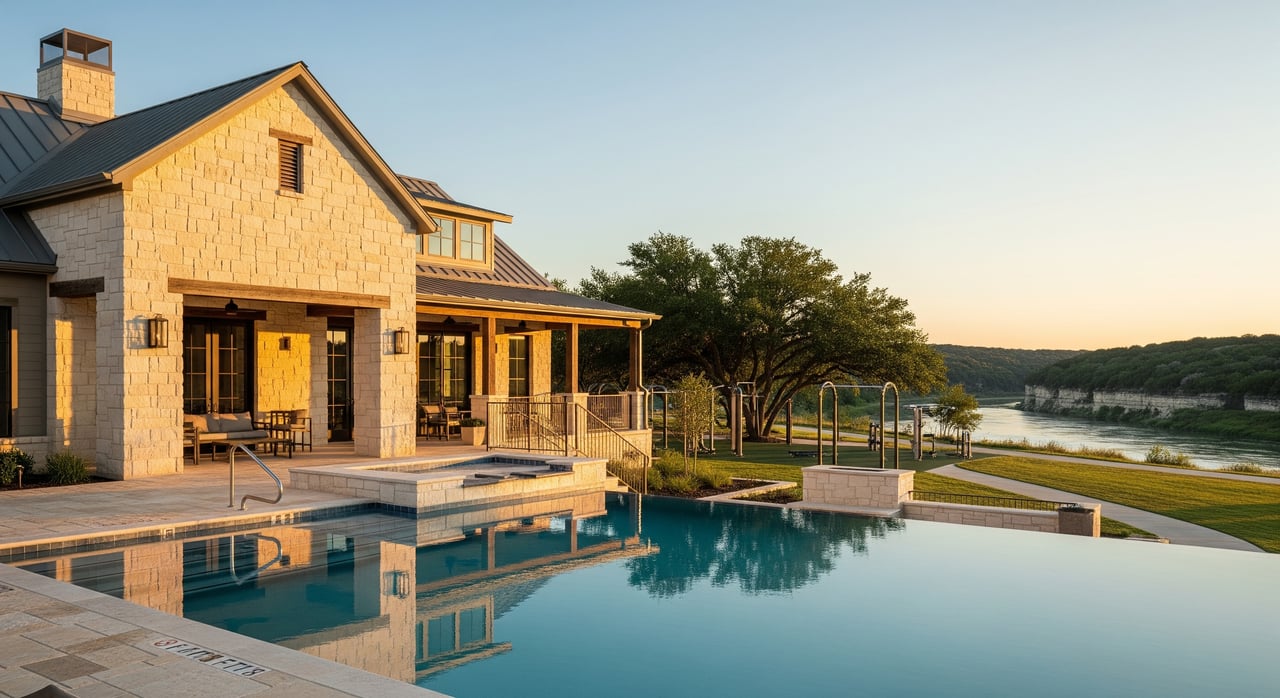
Looking at a home in River Crossing in 78070 and wondering what the HOA really covers and how the amenities work? You want clarity on dues, access, and rules before you commit. In this guide, you’ll learn how Texas HOAs operate, the amenities commonly found in river‑area communities, what drives costs, and the exact documents and checks to complete in Comal County. Let’s dive in.
Texas HOA basics
Most Texas homeowners’ associations are nonprofit corporations governed by recorded deed restrictions, bylaws, and rules. A board of directors enforces standards, manages the budget, and oversees maintenance. Some HOAs hire a professional management company to handle day‑to‑day operations.
What an HOA can do
- Collect dues and special assessments when needed.
- Enforce CC&Rs, including architectural rules for exterior changes.
- Maintain common areas and amenities.
- Levy fines for violations based on procedures in the governing documents.
Your rights in Texas
- Texas law outlines meeting, records, notice, and certain enforcement procedures for HOAs.
- Owners typically have access to association records and financials within statutory guidelines.
- Timeframes and remedies depend on the statute and documents, so review them closely or consult a qualified professional if needed.
Money management and reserves
- Healthy HOAs budget for routine operations and set aside reserves for big repairs.
- Thin reserves can lead to special assessments, especially for higher‑cost amenities like pools, private roads, or boat facilities.
Amenities to expect
Communities near rivers or in the Texas Hill Country often offer a mix of lifestyle features. Always verify exactly what exists in River Crossing and how you can use it.
- River or water access: Possible items include access easements, a boat ramp, or docks. Ask about guest rules, hours, and any use fees.
- Pools and clubhouse: Look for details on lifeguards, seasonal hours, event reservations, and deposit policies.
- Trails and parks: Maintenance standards, lighting, pet rules, and permitted activities vary by community.
- Gates and roads: A gated entry or private roads can improve privacy but also raise operating costs.
- Courts and playgrounds: Check reservation rules, hours, and equipment maintenance.
- Utilities and drainage: Some HOAs maintain irrigation, stormwater features, or lift stations that affect budgets.
Costs that drive dues
Your dues reflect the amenities and infrastructure the HOA maintains. Pools, security, gates, private roads, landscaping, and insurance add up. Reserves for capital items are critical, since big projects like resurfacing roads or major pool repairs can trigger special assessments if the reserve is underfunded.
Rules that affect use
Community rules shape your day‑to‑day experience. Read them before you buy.
- Access and guests: Hours, guest passes, and parking requirements for amenities.
- Architectural approvals: The ARC or ACC typically reviews exterior changes and new structures.
- Rental standards: Some associations limit short‑term rentals or require registration and minimum lease terms.
- Parking and storage: Rules may address RVs, boats, or trailers on driveways and streets.
Buyer due diligence checklist
Ask the seller or HOA for a full resale packet before closing. Review these items line by line.
- Recorded CC&Rs, bylaws, rules, and all amendments
- Articles of incorporation and corporate filings
- Current budget, most recent financial statements, and any reserve study
- Bank balances or reserve disclosures and capital plans
- Board and membership meeting minutes from the last 12–24 months
- Insurance certificates for common areas and fidelity coverage
- Current assessment amounts, due dates, and any planned increases
- Any pending or recent special assessments
- Pending litigation disclosures
- Management contract and manager contact details
- Amenity rules and reservation policies for each facility
- Any violation notices issued to the seller within the past year
Inspections and verifications
Confirm what exists on the ground and who maintains it.
- Verify amenity locations, easements, and access rights on plats and recorded documents.
- Check with Comal County whether roads are private or dedicated public roads.
- Review floodplain maps and ask for elevation certificates when available.
- Confirm permits or approvals for any docks, ramps, or bank work.
- Assess HOA financial stability by reviewing reserves, assessment history, and vendor payables in recent statements.
Comal river and flood factors
River‑area neighborhoods can face unique risks. Flood insurance may be required by lenders even when a property sits outside a commonly referenced flood zone. Carefully review flood maps, elevation data, and drainage plans. If water access exists, confirm any permits or approvals tied to docks, ramps, or shoreline work, and check whether recorded easements affect who can use those features.
Seller prep and resale certificate
If you plan to sell in River Crossing, order the resale certificate early and gather your documents. Provide buyers with full, consistent information on dues, rules, violations, and any assessments. Clear disclosures reduce delays, protect your timeline, and build buyer confidence.
Red flags and green signals
- Red flags: Minimal reserves, frequent special assessments, delayed financials, inconsistent amenity ownership records, or unresolved vendor disputes.
- Positive signs: Transparent records, stable budgets, documented reserves, up‑to‑date amenity rules, and consistent management.
Verify River Crossing specifics
Since every HOA is unique, confirm the details for the River Crossing address you are considering in 78070.
- Contact the HOA or management company for current dues, amenity status, and rules.
- Review the recorded CC&Rs, plats, and easements with county records.
- Ask about any planned capital projects or assessments.
- Confirm road ownership and maintenance responsibility with the county.
- Clarify rental restrictions and the ARC process timeline before you buy.
Get local guidance
You do not have to sort this out alone. A local expert can help you read the documents, ask the right questions, and stay ahead of any floodplain or permitting issues. For a clear, step‑by‑step plan tailored to your goals in 78070, reach out to Blain Johnson.
FAQs
How do I find current HOA dues for River Crossing?
- Request the resale certificate and current budget from the HOA or management company, and confirm whether any increases or special assessments are planned.
What amenities are typical in river‑area communities near 78070?
- Common options include water access, pools, clubhouse, trails, courts, and sometimes gates, but you should verify the exact amenities and rules with the HOA.
Are short‑term rentals allowed in River Crossing?
- Check the CC&Rs and rules for rental restrictions, any registration requirements, and minimum lease terms before you list or lease.
Who maintains the roads in River Crossing?
- Confirm with the HOA and Comal County whether roads are private or public, since private roads are typically an HOA expense.
What should I review before closing on a River Crossing home?
- Obtain the full resale packet, financials, minutes, amenity policies, insurance certificates, and any violation notices, then verify plats, easements, and floodplain status.
Do I need flood insurance for a home near the river in 78070?
- Your lender may require flood insurance based on flood maps and elevation data, so confirm the property’s flood zone and discuss requirements with your lender early.