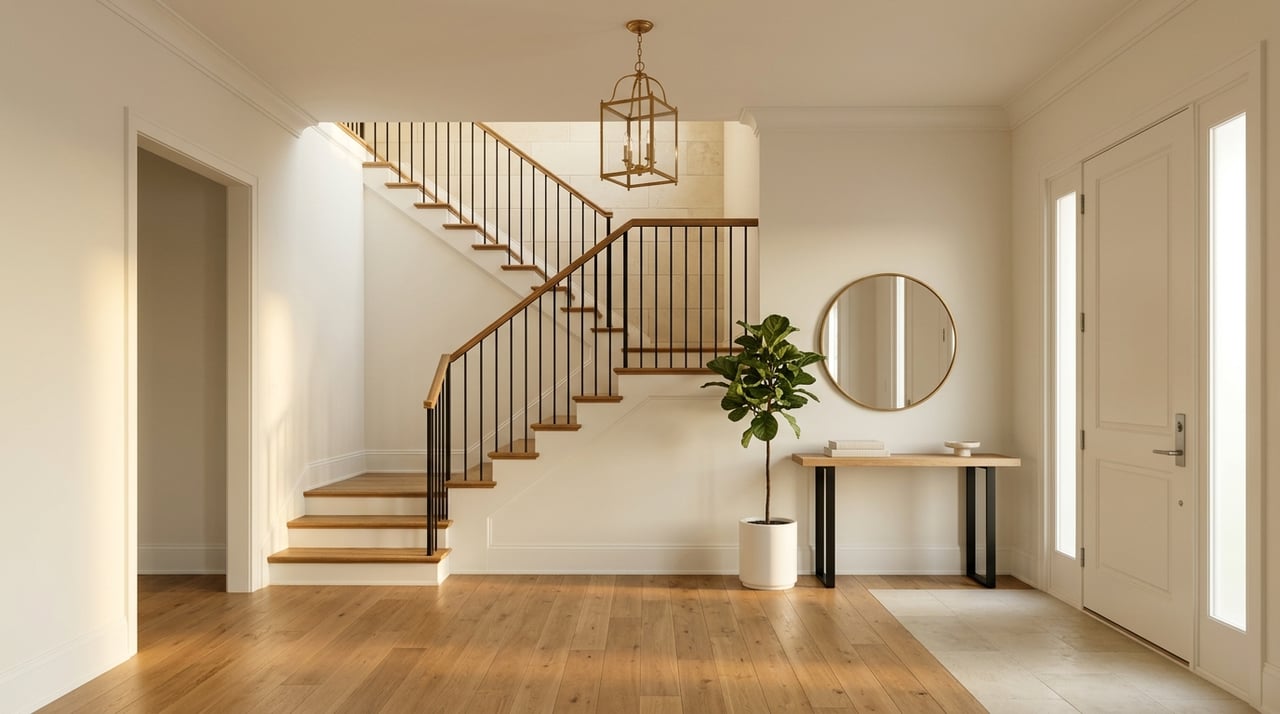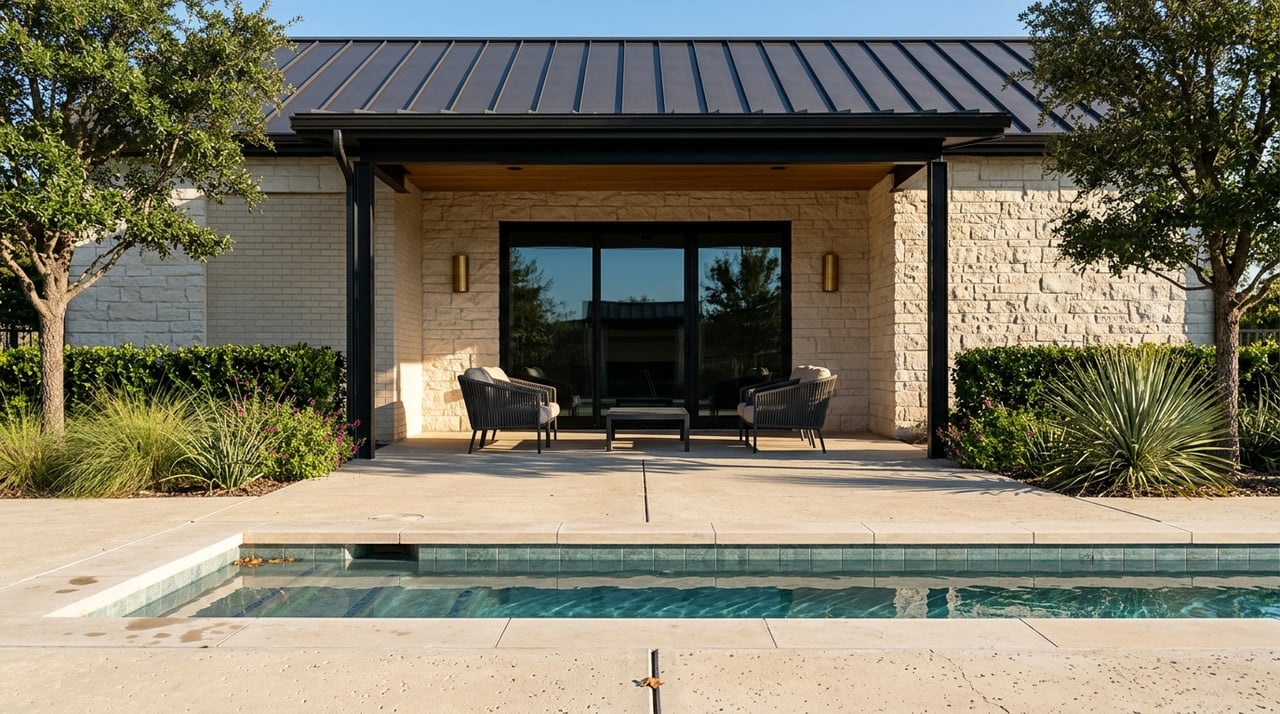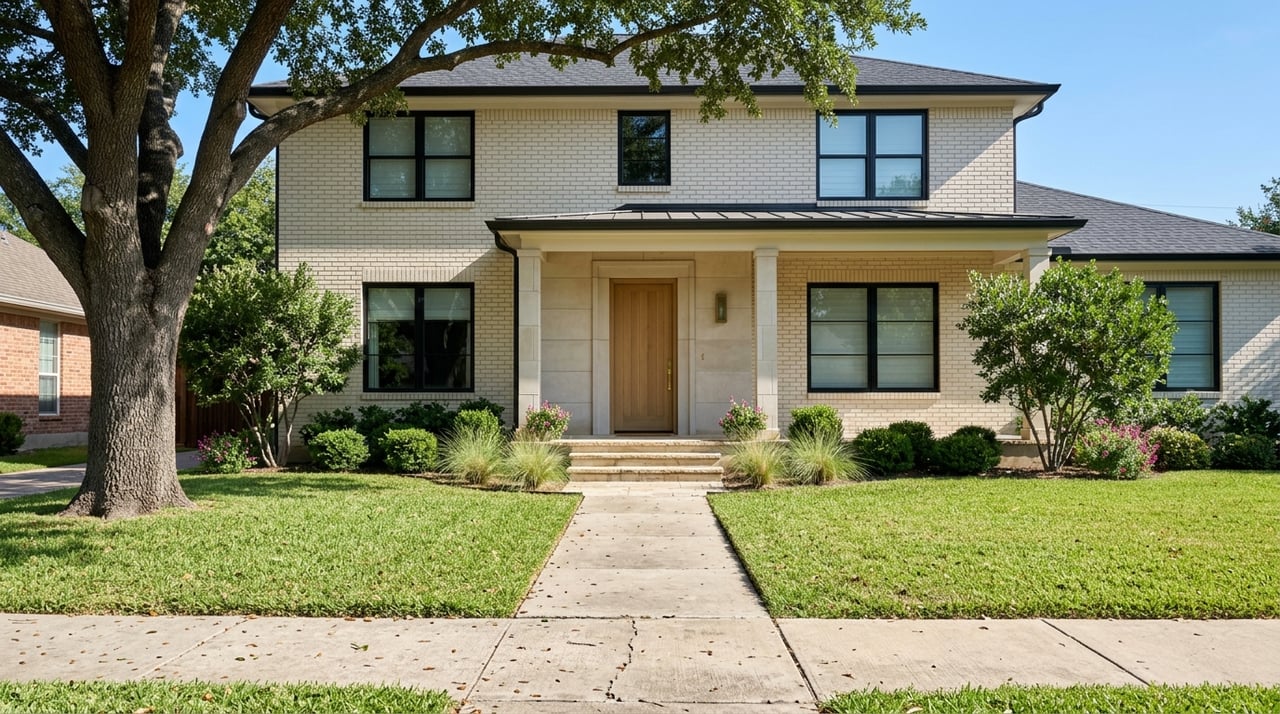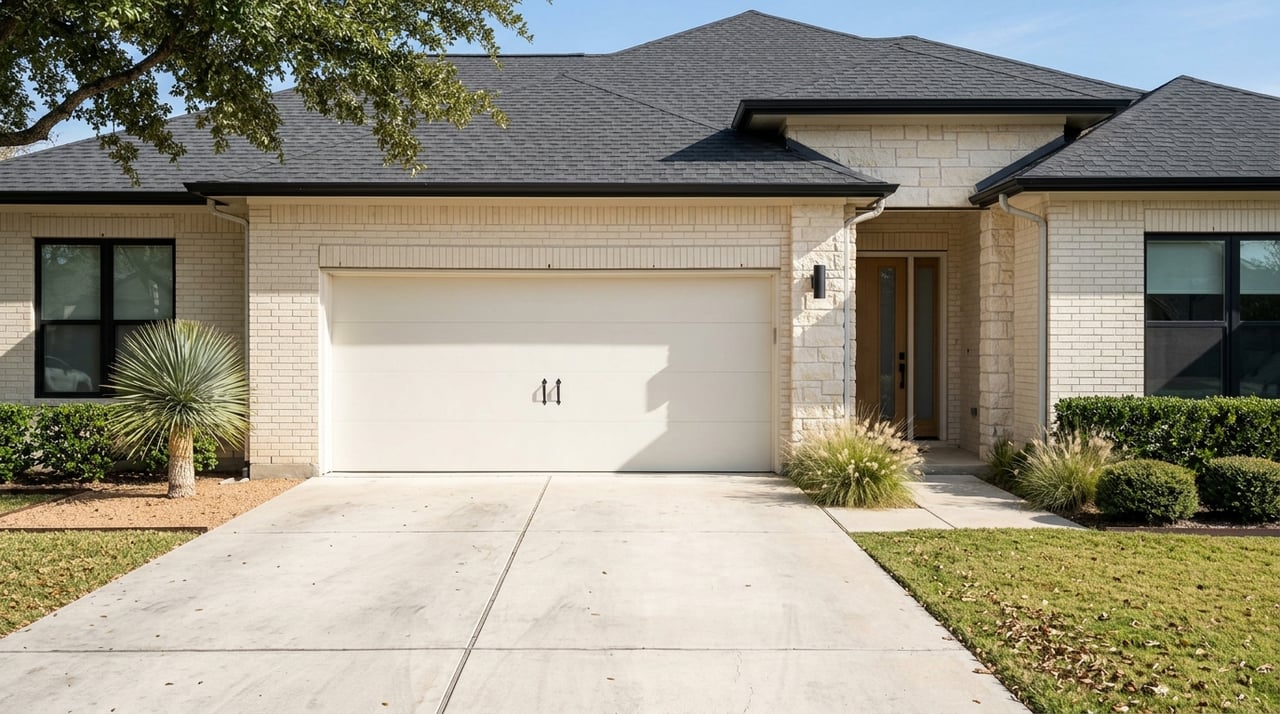
Trying to decide if you should renovate your Olmos Park home or sell it largely as-is? You are not alone. With classic architecture, a small buyer pool, and fast-moving headlines, the choice can feel complicated. In this guide, you will get a clear, local framework you can use right now, from ROI basics and permit rules to timelines and a step-by-step plan to compare your options. Let’s dive in.
Olmos Park market at a glance
Olmos Park is a small, independent city in Bexar County with about 2,180 residents and a long reputation for character homes and tree-lined streets. It sits near central San Antonio and is served by Alamo Heights ISD. The city’s compact footprint and established housing stock are part of its appeal. You can read more about the community’s scale and context in the Olmos Park overview.
Because Olmos Park sees very few closings each month, median prices and days on market can swing a lot when even one high or low sale closes. Local market reports emphasize the small-sample nature of the data, which is why a block-by-block CMA matters more than a portal snapshot. You can see how small sample sizes affect reporting in the San Antonio Board of REALTORS monthly local report. When it is time to price, ask for a fresh CMA tied to condition, not a single online median.
Renovate or sell as-is: start smart
Timing and demand
Start with your timeline and who is buying today. A micro-CMA that looks at the last 6 to 12 months of sold, pending, and active listings on your immediate streets will reveal how updated homes are performing against more original ones. In a small market like Olmos Park, a single outlier can distort the median, so lean on a micro-CMA approach supported by SABOR’s local reporting and agent knowledge of buyer feedback.
Buyer expectations in Olmos Park
Many buyers are drawn to Olmos Park for location and architectural character. Some prefer restored details and original materials. Others want move-in-ready function with updated kitchens, baths, and systems. Your best path depends on which buyer is most likely for your home and price band.
Prioritize fixes that matter most
Safety and major systems
Immediate safety or system issues can limit your buyer pool and create appraisal or lending hurdles. Common examples include roof leaks, structural concerns, failing HVAC, active termites, and major electrical or plumbing hazards. If an optional pre-listing inspection identifies these, it is often best to fix them before listing or price transparently to reflect the condition.
Cosmetic updates with impact
Small, targeted projects often deliver the best bang for your buck. National benchmarks, such as Remodeling magazine’s Cost vs. Value and NAR’s Remodeling Impact Report, consistently show strong appeal and solid recoup rates for low to mid-cost items. Consider:
- Fresh neutral interior paint and deep cleaning
- Curb appeal touch-ups like trimmed landscaping and porch repairs
- A new steel front door or updated garage door
- Selective kitchen refreshes, such as new counters, hardware, lighting, or refaced cabinets
- Bathroom touch-ups that replace vanities, fixtures, mirrors, and lighting
- Professional photos and selective staging to elevate presentation
These projects appear frequently in the NAR Remodeling Impact Report and in the Cost vs. Value 2025 data, which you can use as a baseline for planning.
Permits, historic context, and taxes
City of Olmos Park permits
Most structural or significant alteration work in Olmos Park requires a building permit. Before you hire a contractor, confirm what needs a permit and how long approval may take with the city’s building department. You can review permit guidance from the City of Olmos Park.
Not the same as Olmos Park Terrace
Olmos Park is a separate city from Olmos Park Terrace in San Antonio. The Terrace is a local historic district that follows the City of San Antonio’s Office of Historic Preservation review for exterior changes. If you are near those boundaries or researching comps, know that rules and outcomes differ. Learn more about the Terrace’s requirements through the San Antonio Office of Historic Preservation.
How improvements can affect taxes
Significant improvements or newly permitted work can increase your property’s appraised value in a future cycle. The Bexar Appraisal District outlines how new construction and major improvements feed into reappraisal plans. Review the BCAD reappraisal plan and consider timing and tax impacts in your net proceeds estimate.
What typically pays back before selling
Use national ROI guides as a baseline, then adjust to local comps.
Minor kitchen refresh. The 2025 national Cost vs. Value summary shows a midrange “minor kitchen” project with one of the strongest recoup rates, even topping 100 percent in the national average. In contrast, full upscale gut renovations generally recoup a much smaller share. This supports light, targeted kitchen updates for many pre-sale situations. See the 2025 Cost vs. Value results.
Bathroom refresh. Replacing the vanity, lighting, mirrors, fixtures, and addressing grout and caulk often yields solid buyer appeal with moderate cost. Again, a full upscale redo tends to recoup less at resale. Review project ranges in the same Cost vs. Value data.
Curb appeal and presentation. Fresh paint, a new front or garage door, clean landscaping, and professional staging and photography can shorten time on market and improve perceived value. These tactics are common recommendations in the NAR Remodeling Impact Report and the NAR Profile of Home Staging.
Large additions or luxury upgrades. Pool builds, major additions, or upscale expansions often deliver the lowest percent recoup at resale. They can make sense if you plan to hold long term or if top-of-market comps truly support the spend, but they are rarely the right move for a near-term sale. Validate with comps and the Cost vs. Value 2025 benchmarks.
Timelines to plan around
Your timeline affects both costs and market risk. As a rough guide, cosmetic projects usually run days to weeks, midrange kitchen or bath refreshes often take 6 to 12-plus weeks, and major renovations can run 3 to 9 months or more. Contractor lead times, permit reviews, and custom orders drive most of the variability. For planning basics on project sequencing, see this practical kitchen remodel timeline guide.
Three seller paths that work in Olmos Park
Path 1: Sell quickly, mostly as-is
Choose this if you must move soon, have limited renovation budget, or nearby comps support similar sales. Order an optional pre-listing inspection to identify deal-killers, fix only urgent system or safety items, complete presentation basics, and price for condition. This approach reduces renovation risk and carrying costs, though it may narrow the buyer pool and affect your net.
Path 2: Targeted prep and light updates
This is the most common path for a strong sale. With a few weeks and a modest budget, refresh paint, improve curb appeal, complete a light kitchen or bath update where needed, service major systems, and invest in selective staging and professional photography. These steps are frequently recommended by Realtors in the NAR Remodeling Impact Report and the NAR Profile of Home Staging.
Path 3: Major remodel before sale
Pursue this only if your goal is to reposition the property into a higher price band and local comps justify it. Plan for months of work, permit timelines, and carrying costs. National data show that large, upscale projects typically recoup a smaller share at resale, so confirm the after-repair market value with a detailed CMA and real contractor bids before you commit. Use the Cost vs. Value 2025 benchmarks as a starting point.
Run the numbers: your worksheet
To compare “sell as-is” vs “update then sell,” draft a simple side-by-side worksheet:
- Project list and bids. Get written bids for must-fix items and any cosmetic updates you are considering. Note which items require permits and add expected timelines.
- After-update price target. With your agent, estimate an after-update sale price using adjusted comps that match your home’s size and condition. In a low-volume area, a micro-CMA is essential.
- Carrying costs. Tally taxes, insurance, mortgage interest, utilities, and any rent or storage costs during the project period.
- Marketing costs. Include staging, photography, and small touch-ups you plan to do regardless.
- Net comparison. Estimate net proceeds for each path: as-is vs updated. Factor potential reappraisal timing if you plan significant permitted work per the BCAD reappraisal plan.
Your next steps
- Get a micro-CMA focused on your street and the last 6 to 12 months of activity. Date every stat you review and ignore generic medians.
- Consider an optional pre-listing inspection to reveal deal-killers and prioritize fixes.
- Request contractor bids and confirm permit needs with the City of Olmos Park.
- Weigh ROI using national baselines from the Cost vs. Value 2025 report and adapt to local comps.
- Plan a fast, polished launch with selective staging, professional photography, and strong digital marketing.
If you want a tailored plan for your exact property, reach out for a quick walk-through, a micro-CMA, and a clear prep checklist. You will get local guidance, premium marketing, and a service-first approach from Blain Johnson.
FAQs
What makes Olmos Park pricing so volatile?
- Olmos Park has very few monthly closings, so one high or low sale can swing medians; a fresh, block-level CMA is more reliable than a single online snapshot.
Do I need permits to renovate in Olmos Park?
- Most structural or significant alteration work requires a city permit; confirm requirements and timelines with the City of Olmos Park before you sign contracts.
Will remodeling raise my Bexar County property taxes?
- Significant improvements or newly permitted work can affect future appraisal values; factor possible reappraisal timing into your net proceeds plan.
Which pre-sale updates usually pay off here?
- Light, targeted projects like fresh paint, curb appeal touch-ups, minor kitchen or bath refreshes, and updated doors tend to deliver strong buyer appeal relative to cost.
Should I do a pre-listing inspection if I plan to sell as-is?
- It is optional but helpful; you can spot safety or system issues early, choose what to fix, and price or disclose confidently.
How long do light updates typically take before listing?
- Cosmetic projects often take days to weeks; midrange kitchen or bath refreshes run 6 to 12-plus weeks; major renovations can span several months.
How do historic considerations affect my plans?
- Olmos Park is separate from Olmos Park Terrace, which has local historic district rules; always verify whether any overlay or covenant affects exterior changes and your timeline.