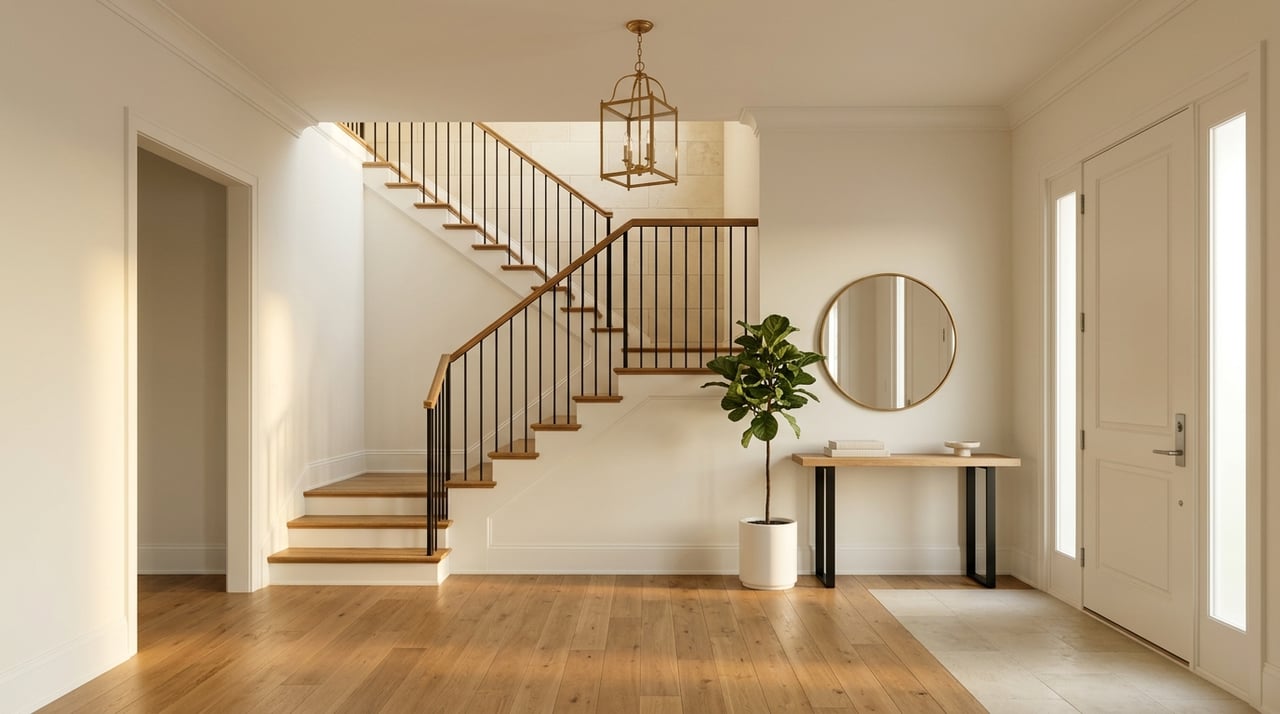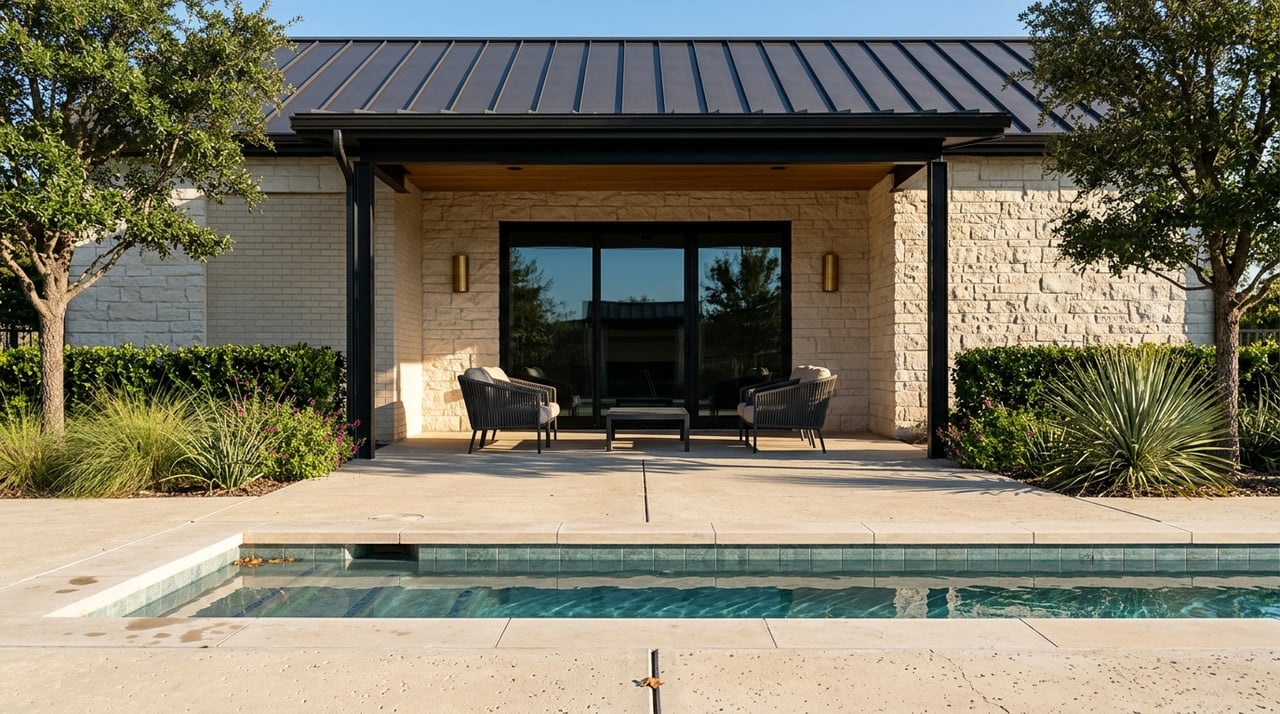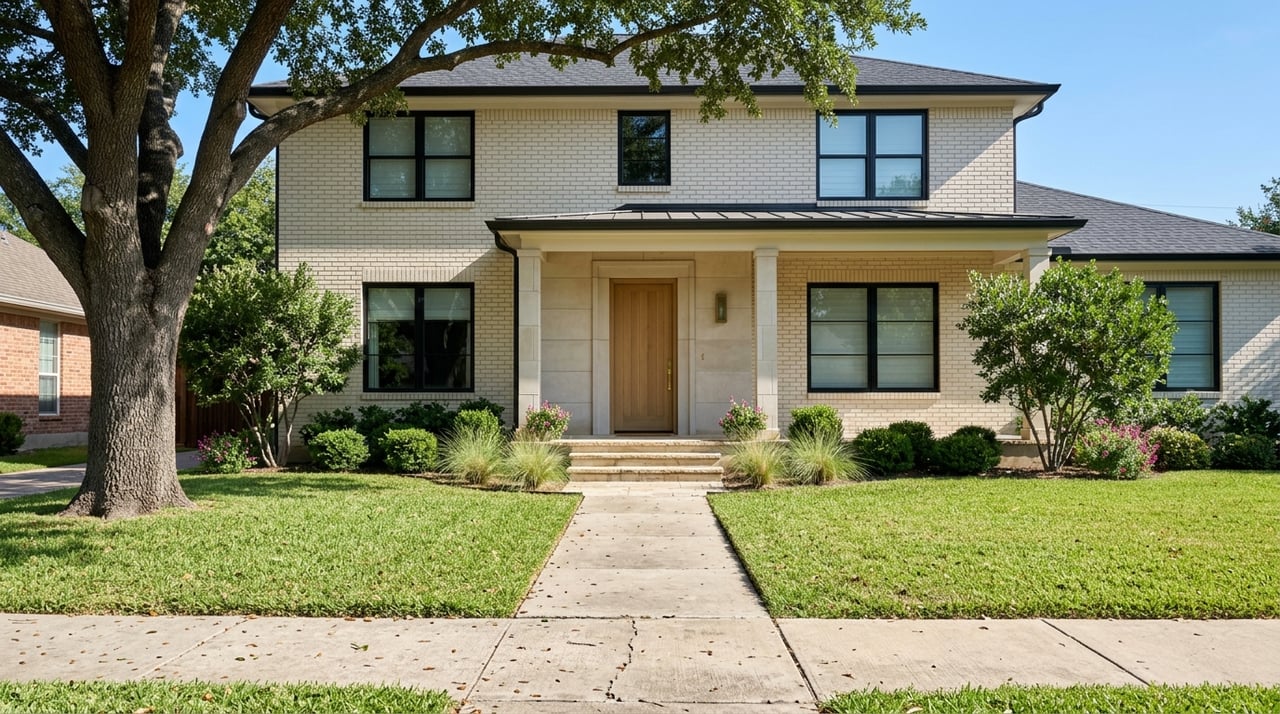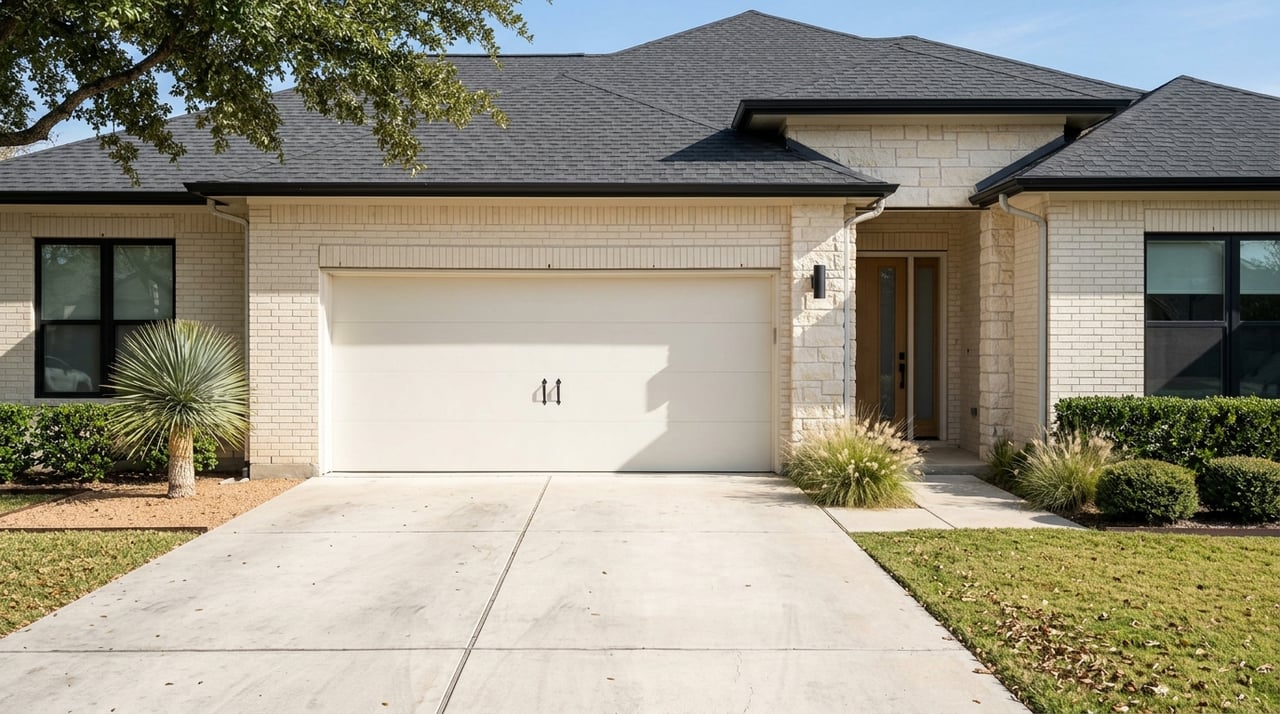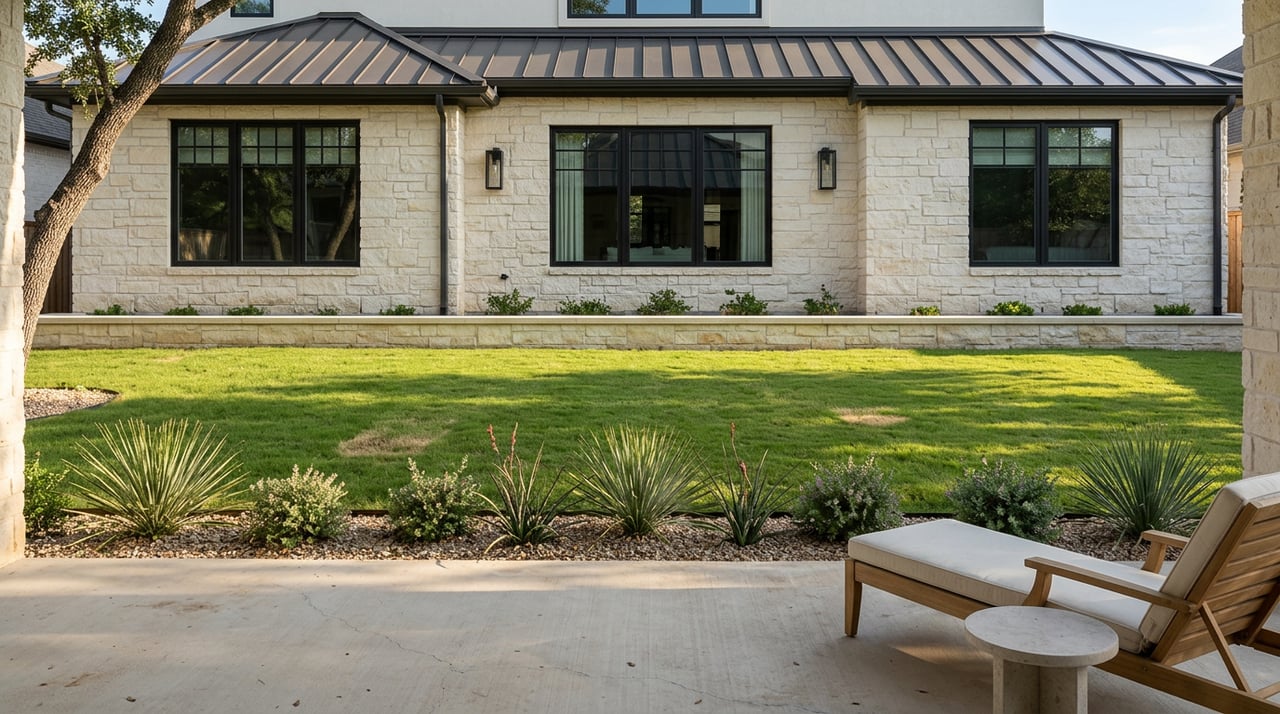
Thinking about a Hill Country escape you can enjoy now and retire to later? If River Crossing in Spring Branch has caught your eye, you are not alone. Many buyers love its larger lots, private river access, and easy drive from San Antonio. In this guide, you will learn what makes River Crossing work as a second home, what it costs to own, how financing and taxes differ from a primary residence, and a practical checklist to make smart decisions. Let’s dive in.
River Crossing at a glance
River Crossing sits along the Guadalupe River corridor in ZIP 78070, north of San Antonio. The community features custom single-family homes, often on 1 acre or more, plus pockets of smaller fairway lots. Owners enjoy a property owners association with amenities such as a clubhouse, pools, sports courts, trails, and a private river park. HOA dues vary by section and year, so plan to confirm current fees with the POA.
Many homes highlight hill country views, outdoor living, and proximity to golf. School attendance generally follows Comal ISD feeder patterns typical for Spring Branch addresses. Always confirm exact assignments for each property.
Space, privacy, and recreation
If you want room to spread out, River Crossing’s lot sizes are a major draw. You can find established trees, space for a pool, and quiet streets that feel like a retreat. The private river park provides access to the Guadalupe for relaxing weekends and low-key recreation.
Club access is optional
River Crossing Club is a private 18-hole course that operates separately from the POA. Owning a home does not include golf access. Review membership packages, costs, and any waitlists directly with the club. You can learn more about options on the River Crossing Club website.
What the market looks like
River Crossing typically trades above the broader 78070 median because of its larger lots and amenity mix. Recent snapshots placed the ZIP-level median around $600,000, with River Crossing’s neighborhood median closer to the mid-to-upper $700,000s. You should refresh current figures before you write an offer, but this gives you a sense of scale.
What you will see for sale
Active listings often include 3,000 to 4,000+ square foot custom homes on 1 to 1.7 acres. Prices commonly range from the mid-$600,000s to $1M+, with premiums for golf-course frontage and long views. Floor plans vary, but many buyers seek single-level living or layouts with a main-floor primary suite to support future retirement.
Financing your second home
Lenders treat second homes differently from both primary residences and investment properties. Conventional second-home loans often ask for larger down payments than primary homes and may require cash reserves. If you intend any rental use, you may be underwritten as an investment property, which typically involves higher rates and stricter terms. Review the basics with your lender and be clear about how you will use the home. For an overview of typical down payment expectations, see this guide to second-home financing considerations.
Taxes and homestead planning
In Texas, homestead exemptions and appraisal caps apply only to your primary residence. A second home does not receive the residence homestead exemption until it becomes your principal residence, which affects your annual tax bill. Check parcel-level histories and rates with the Comal Appraisal District and review how exemptions could change your long-term plan. The Texas Comptroller explains how appraisals and exemptions work in its property tax guidance.
Rentals, rules, and state hotel tax
Before you plan any short-term rental activity, read the recorded covenants and HOA rules for the specific section you are buying. Texas case law shows that rental permissions and restrictions come down to the exact wording in the documents. Always verify whether minimum lease terms apply and whether transient occupancy is allowed. For a helpful overview of how covenants can affect leasing, review this summary from Texas A&M Real Estate Center.
If you do allow short stays under 30 days, Texas imposes a state hotel occupancy tax of 6 percent. Local entities may add their own taxes. Some platforms collect and remit certain taxes in specific jurisdictions, but you are responsible for any taxes not collected on your behalf. The Texas Comptroller’s hotel occupancy tax FAQs outline what hosts need to know.
Utilities, river, and risk management
Water and septic basics
River Crossing includes large-lot sections with a mix of public water and on-site sewage systems. Many homes use septic or aerobic systems. Ask the seller for permits and maintenance records, and verify details with Comal County Environmental Health. Start with the county’s OSSF information and records lookup.
Floodplain and river access
River access and riverfront are not the same in title. Confirm whether a property includes recorded access rights, any easements, and whether floodplain touches the lot. Run the address through FEMA’s Flood Map Service Center and ask for an elevation certificate if needed. If you plan any bank work or a dock, expect county and federal permitting.
Wildfire and brush management
Hill Country parcels benefit from defensible-space landscaping and periodic brush clearing. Texas A&M guidance offers practical steps for fuel reduction and ember resistance. Review Firewise landscaping concepts in this Texas A&M AgriLife overview.
Insurance and vacancy
Standard homeowners policies may limit or exclude coverage once a home sits vacant for a set period, often 30 to 60 days. If you will be away, discuss vacancy endorsements or a vacant-home policy with your insurer. If you plan rental use, ask about short-term rental or landlord coverage. Flood insurance may be required by a lender in mapped areas. This primer from the Insurance Information Institute explains vacancy coverage considerations.
Budget basics to plan for
- Annual property taxes. Check parcel history and current rates with the Comal Appraisal District.
- HOA dues and transfer fees. Amounts vary by section; request the current POA budget and fee schedule.
- Optional club membership. Confirm initiation and dues with the River Crossing Club.
- Insurance and maintenance. Include homeowners coverage, flood if required, any vacancy or rental endorsements, landscaping, septic service, pool care, and seasonal HVAC.
Buyer checklist for second-home due diligence
Use this list to shorten your learning curve and avoid surprises:
- Confirm the legal description, lot size, and exact location. Have your title company pull recorded documents.
- Request the full POA package: CC&Rs, bylaws, meeting minutes, current budget, reserve study, transfer fees, and rental policies. Read carefully for any minimum lease terms or restrictions on transient stays. For context on lease wording, see the Texas A&M Real Estate Center overview.
- Ask the seller for utility details and septic records, including permit age and the last maintenance report. Verify with the county’s OSSF records lookup.
- Run a flood check. Pull FEMA maps, request an elevation certificate if needed, and review seller disclosures using the FEMA Flood Map Service Center.
- Review taxes. Pull parcel history and confirm tax rate components with the Comal Appraisal District. Note how homestead or over-65 exemptions might fit your future plans.
- Align financing early. Discuss second-home versus investment underwriting, down payment and reserves, and occupancy rules. Start with this second-home financing guide.
- If you plan to rent. Verify CC&R and HOA permission, check any club rules, confirm state and local hotel taxes, and update insurance for short-term rental or vacancy. See the Comptroller’s hotel occupancy tax FAQs.
- For riverfront considerations. Confirm recorded access, any shoreline stabilization history, and permitting requirements before altering the bank or adding structures.
- Plan for care when you are away. Consider a local property manager for periodic checks, vendor coordination, and seasonal maintenance.
How we help you buy with confidence
You deserve a smooth, well-informed purchase with clear next steps. With 12+ years of market experience across San Antonio and the Hill Country, we help you pinpoint the right section, review HOA and utility details, and align financing and tax planning with your long-term goals. If you are buying from out of town, we coordinate showings, inspections, and closing logistics so you can move at your pace. Ready to explore River Crossing second-home options with a local advisor who knows the terrain? Connect with Blain Johnson to get started.
FAQs
What is River Crossing in Spring Branch?
- It is a Hill Country community in ZIP 78070 with custom homes on larger lots, POA-managed amenities, and optional access to a separate private golf club.
Are short-term rentals allowed in River Crossing?
- Rules vary by section and depend on recorded covenants and POA policies, so you must review the documents and confirm any minimum lease terms before listing your home.
How do second-home loans differ from primary home loans?
- Second-home loans often require higher down payments and reserves, and any planned rental use may trigger investment underwriting with stricter terms and rates.
Do River Crossing homes use septic systems?
- Many properties do; ask for permits and maintenance records and verify details with Comal County’s on-site sewage facility records.
Do I need flood insurance near the Guadalupe River?
- Lenders may require flood insurance if maps show special flood hazard areas; check the FEMA flood map for the address and request an elevation certificate if needed.
Is golf membership included with home ownership?
- No. River Crossing Club membership is separate from POA ownership; contact the club for current packages, dues, and availability.